Wellness · Tips
Clean Beauty Decoded: What the Labels Really Mean
Jan 30 2025Olivia Bennett2 min read
"Clean", "natural", "non-toxic", "green" — these words appear on beauty products as if they carry legal weight, but in most markets, they carry none. They are marketing terms, entirely unregulated, meaning different things on every shelf you visit. Here is how to read past them.
The ingredient list is the only document that tells the truth. INCI names (the standardised International Nomenclature of Cosmetic Ingredients) are required on all formulas and cannot be manipulated by marketing language. Learning to read a few key INCI names — or using a trusted database like INCI Decoder or EWG — gives you actual information, not curated impression.
Clean beauty is not a certification — it is a conversation you have with yourself about what actually matters to your skin, your health, and your values.
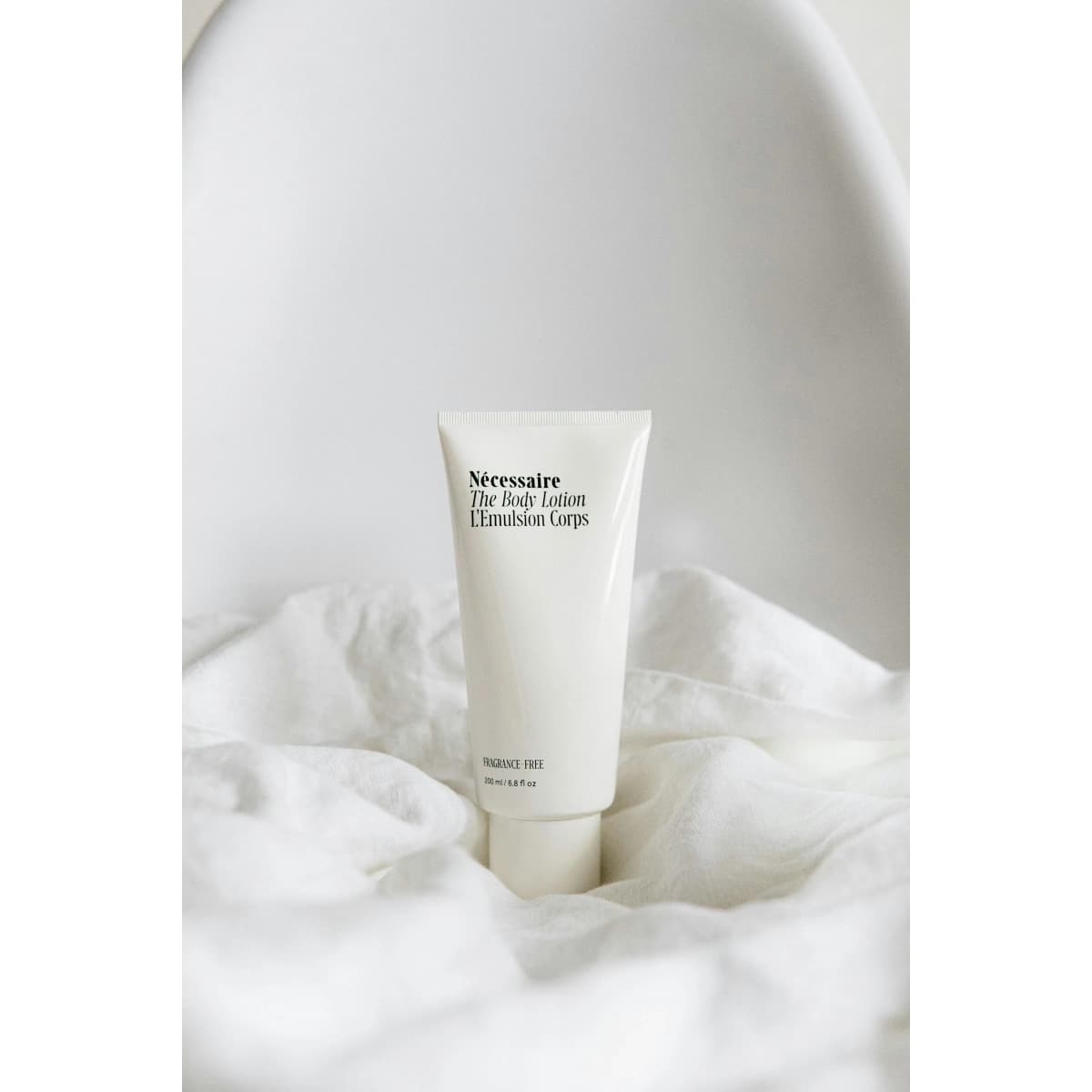
"Free from" claims are worth scrutiny. A product marketed as "paraben-free" may use an alternative preservative that is less well-studied and potentially more irritating. "Fragrance-free" is meaningful for sensitive skin; "unscented" means fragrance was added to mask other smells and is not the same thing at all. Precision in language signals precision in formulation.
The most useful version of "clean beauty" is personalised: what you want to avoid, based on your own skin concerns, allergies, or values. For a person with fragrance sensitivity, a genuinely fragrance-free formula matters enormously. For someone focused on sustainability, packaging, sourcing, and carbon footprint may outweigh any ingredient consideration. Define what "clean" means to you before you reach the shelf.